




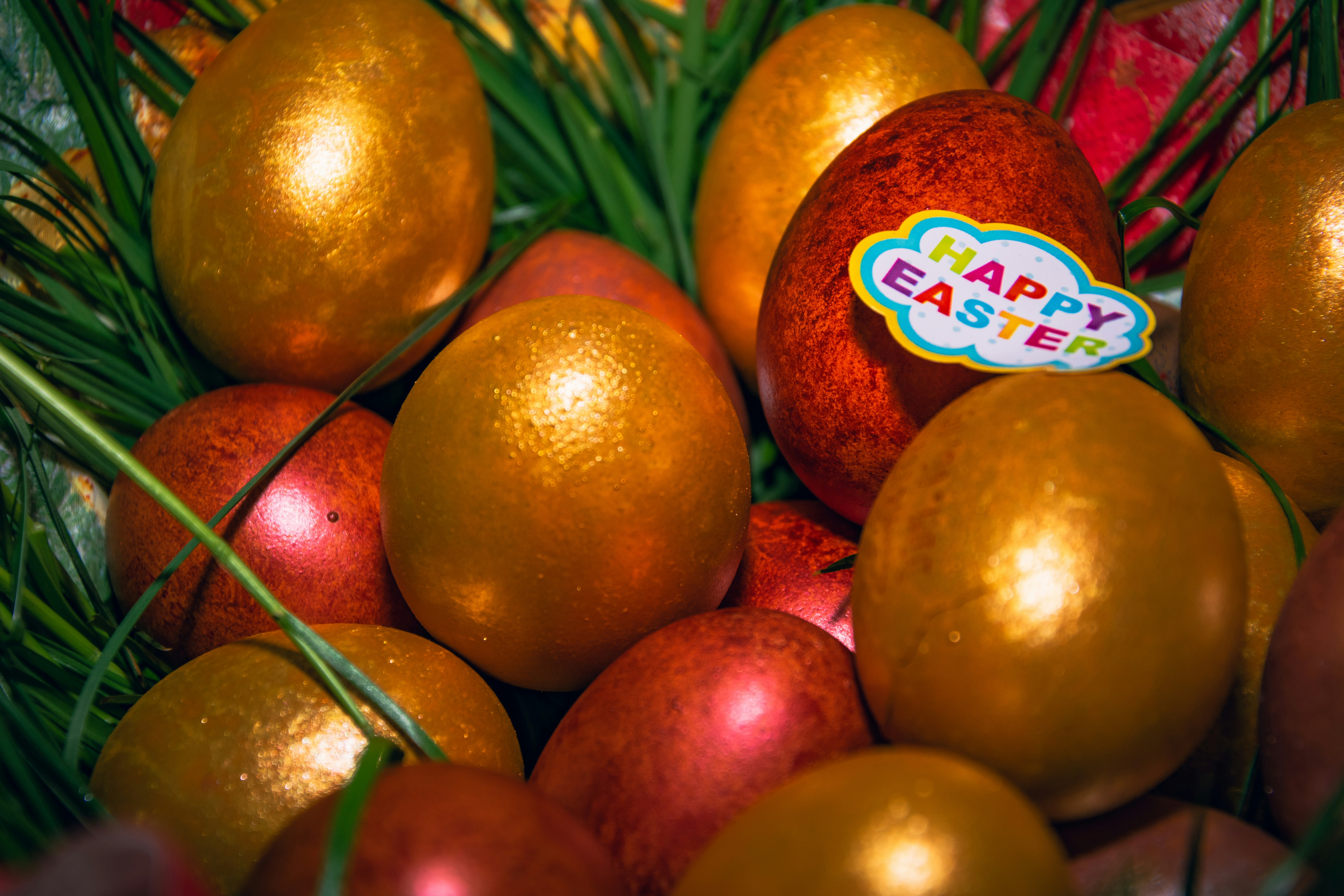
Understanding the Tradition of Easter Eggs
Easter eggs are more than just colorful decorations that brighten up the holiday. They symbolize new life and rebirth, reflecting the spirit of Easter itself. The tradition of decorating eggs dates back centuries, and different cultures have their own unique variations. This ancient custom provides a rich tapestry of meanings that enrich our celebration of Easter.
Symbolism and Easter Egg Designs
Throughout history, eggs have been associated with various springtime festivals. In Christianity, the egg is a metaphor for the resurrection of Jesus, symbolizing the emergence of new life from an empty shell. The act of dyeing and decorating eggs can vary widely, from the intricate patterns of Ukrainian pysanky to the simple pastel shades common in many Western traditions. Each design holds its own significance and contributes to the lively aesthetic that we enjoy today.
Modern Celebrations and Activities
In modern times, the tradition of Easter eggs has evolved to include fun family activities like egg hunts and egg rolling. These events bring communities together, promoting joy and togetherness. Children eagerly search for hidden eggs, and adults often join in the festivities. Additionally, with the rise of chocolate eggs and candies, the traditional concept of Easter eggs has expanded, bringing delight to many during the holiday season.
Overall, Easter eggs serve as a beautiful reminder of hope, joy, and new beginnings, making them an integral part of the Easter celebration.